
What the Listing Photos Don’t Tell You About a Home
How previewing new listings helps me recognize the homes and opportunities worth a closer look.
We have all had it happen: a home looks great online, then you walk through the front door and it feels completely different.
The rooms are smaller than they appeared. The natural light is limited. The street is busier. The layout does not work the way you expected. Sometimes the difference is minor. Sometimes it changes your entire opinion of the home.
The opposite happens too.
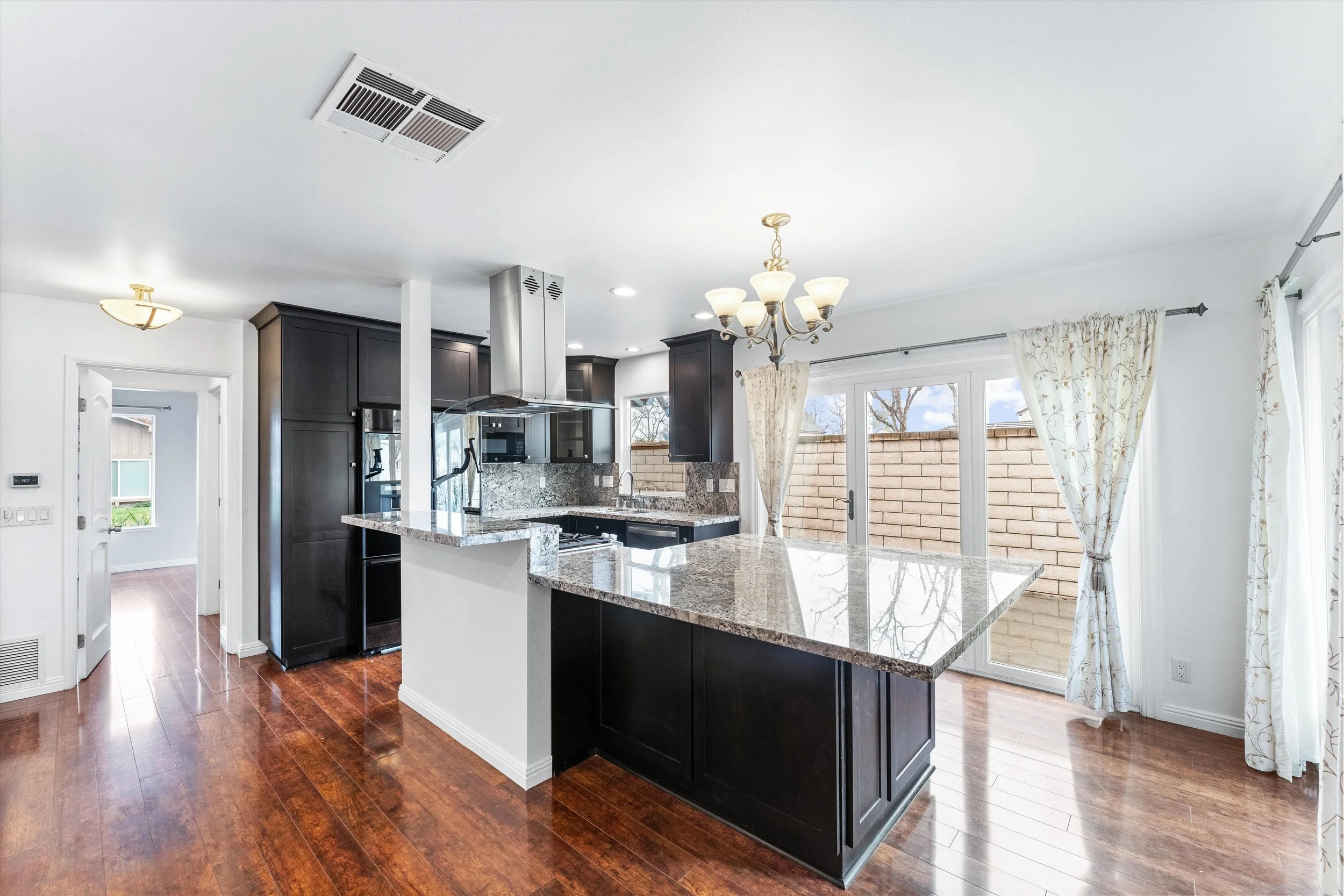
Some homes photograph beautifully and disappoint in person. Others are far better than their photos suggest.
That is why I make it a priority to preview new listings regularly. I want to understand what is actually available, including the things buyers cannot see in photographs or learn from the basic listing information.
Watching New Listings Closely
Some buyers are actively touring homes every weekend. Others know they would move for the right property but are willing to wait until something specific becomes available.
In either situation, I do not want the search to begin when a client sends me a listing link.
By previewing homes as they come onto the market, I can keep an eye out for properties that may fit a particular buyer, including homes they might otherwise overlook. When I see something promising, I can reach out and explain why I think it deserves their attention.
That is especially valuable when a buyer is waiting for a certain neighborhood, floorplan, lot, price range, or combination of features. They should not have to monitor every new listing themselves or spend their weekends touring homes that clearly will not work.
Knowing the Neighborhood
Neighborhood knowledge goes much deeper than knowing the community amenities or looking at recent sales.
The location of a home within a neighborhood can make a significant difference. Two properties in the same community may have very different levels of privacy, traffic, noise, natural light, or access to parks and schools.
One may sit on a quiet interior street. Another may back to a major road. A home near a neighborhood entrance may be convenient but experience more traffic. Two homes with similar lots may feel completely different depending on their elevation, orientation, neighboring properties, and surrounding landscaping.
Seeing homes in person helps me understand those smaller distinctions. Over time, each preview adds another piece to my working knowledge of the neighborhood.
Understanding the Floorplans
Square footage and bedroom count only tell part of the story.
Two homes with nearly identical statistics can function very differently. One may have an open living area, useful storage, and bedrooms with comfortable proportions. Another may have narrow hallways, awkward transitions, or a large amount of square footage in spaces that are difficult to use.
As I see more homes within a neighborhood, I begin to recognize recurring floorplans and how they live. I can see which models tend to have better natural light, where storage may be limited, which layouts offer a downstairs bedroom, and how different renovations have changed the original design.
That context helps when a familiar floorplan comes onto the market again. I can compare the property with other versions I have seen and explain what appears typical, what has been improved, and what may still be missing.
What Your Budget Actually Buys
Online listings can make homes within the same price range look more similar than they really are.
In person, the differences become clearer. One home may have newer finishes but a less desirable location. Another may need cosmetic updates while offering a better lot and more functional layout. A third may be priced higher because it has already addressed improvements that a buyer would otherwise need to complete after closing.
Regularly previewing homes helps me understand what buyers can reasonably expect at different prices and in different neighborhoods.
It also helps me recognize when a home appears overpriced, when a lower price reflects a meaningful tradeoff, or when an overlooked property may offer better value than its photos suggest.
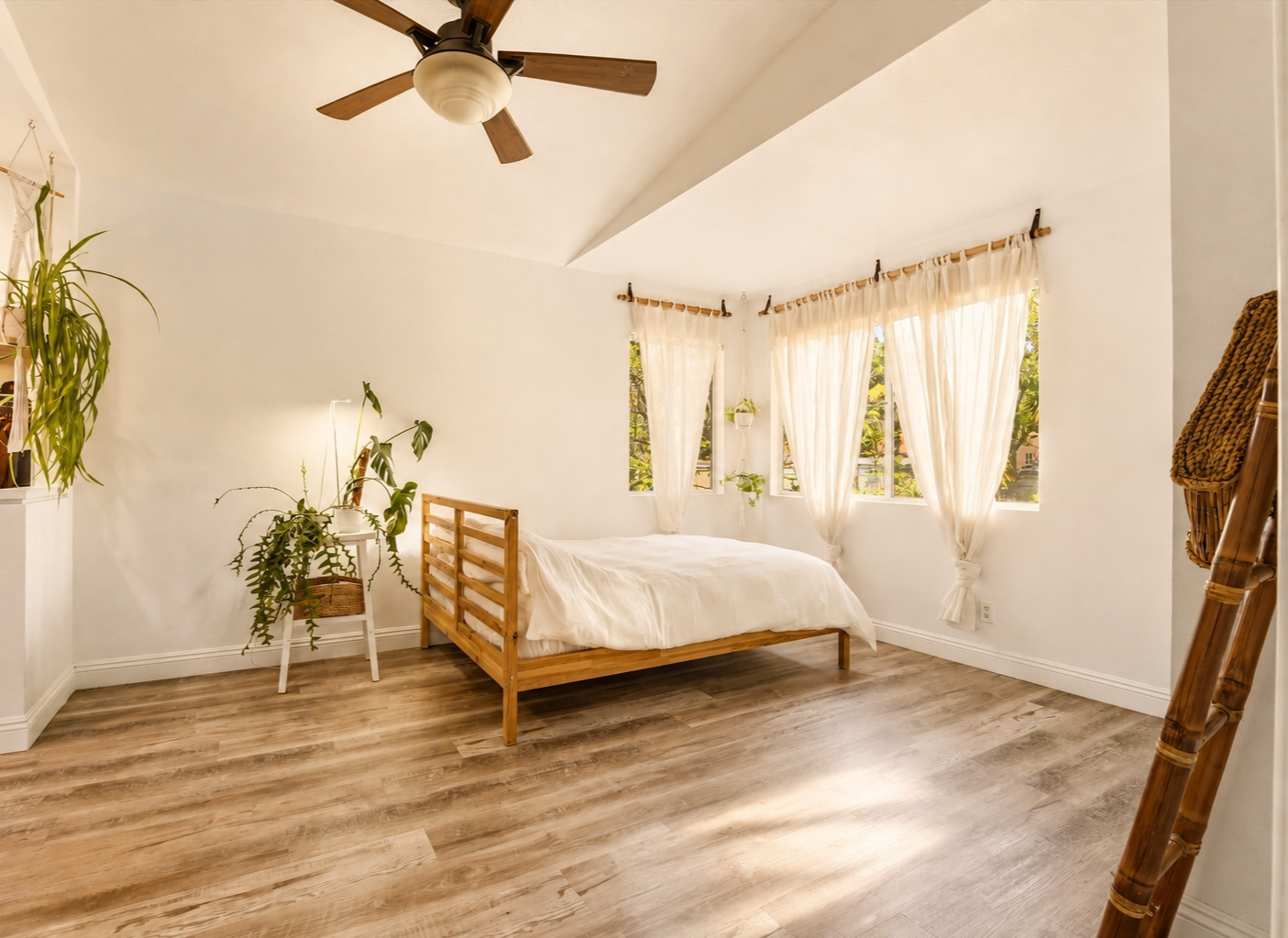
What becomes clearer in person
Floorplans · Condition · Lot placement · Natural light · Street feel · Current competition
Looking Beyond the Finishes
“Remodeled” can mean many different things.
Some homes have been thoughtfully updated with quality materials and improvements that work well together. Others have had mostly cosmetic updates designed to improve how the home presents for sale.
Listing photos rarely show the full difference.
In person, I can look more closely at the cabinetry, flooring, countertops, fixtures, workmanship, and overall condition. I can see whether the improvements feel cohesive, whether portions of the home still need attention, and how the property compares with other homes at a similar price.
A preview is not a substitute for professional inspections or evaluations. It does help identify questions, potential concerns, and areas that deserve a closer look.
Finding the Overlooked Opportunities
A home does not always need dramatic photography or the newest finishes to be a strong option.
It may have an unusually good lot, a preferred floorplan, more privacy, better natural light, or a location that rarely becomes available. Those qualities may be far more important to a particular buyer than the features that stand out in listing photos.
Previewing allows me to notice those homes.
It also helps me identify the opposite situation: a beautifully marketed property with tradeoffs that become obvious as soon as you arrive.
Both kinds of information are useful. Buyers need to know which homes deserve their time and which ones may be less compelling than they appear online.

Every home I preview adds context to the next one.
Firsthand Market Knowledge
Market statistics tell me how many homes are listed, how quickly they are selling, and what buyers are paying.
Previewing helps me understand why.
I see which homes are attracting attention, what condition buyers are encountering, how sellers are positioning their properties, and what remains available after the strongest listings sell. I also see the choices buyers are being asked to make between location, condition, floorplan, lot, and price.
That firsthand knowledge gives me better context when a client asks whether a home is worth seeing, how it compares with another property, or whether waiting could produce better options.
Listing photos are where many home searches begin. Understanding what those photos leave out is where good decision-making begins.
By continuously previewing homes, I can keep learning the market, watching for opportunities, and recognizing when a property may be worth a closer look for one of my clients, including those who are willing to wait until the right home comes along.